Field notes: the block that looked fine from the street and graded red from above
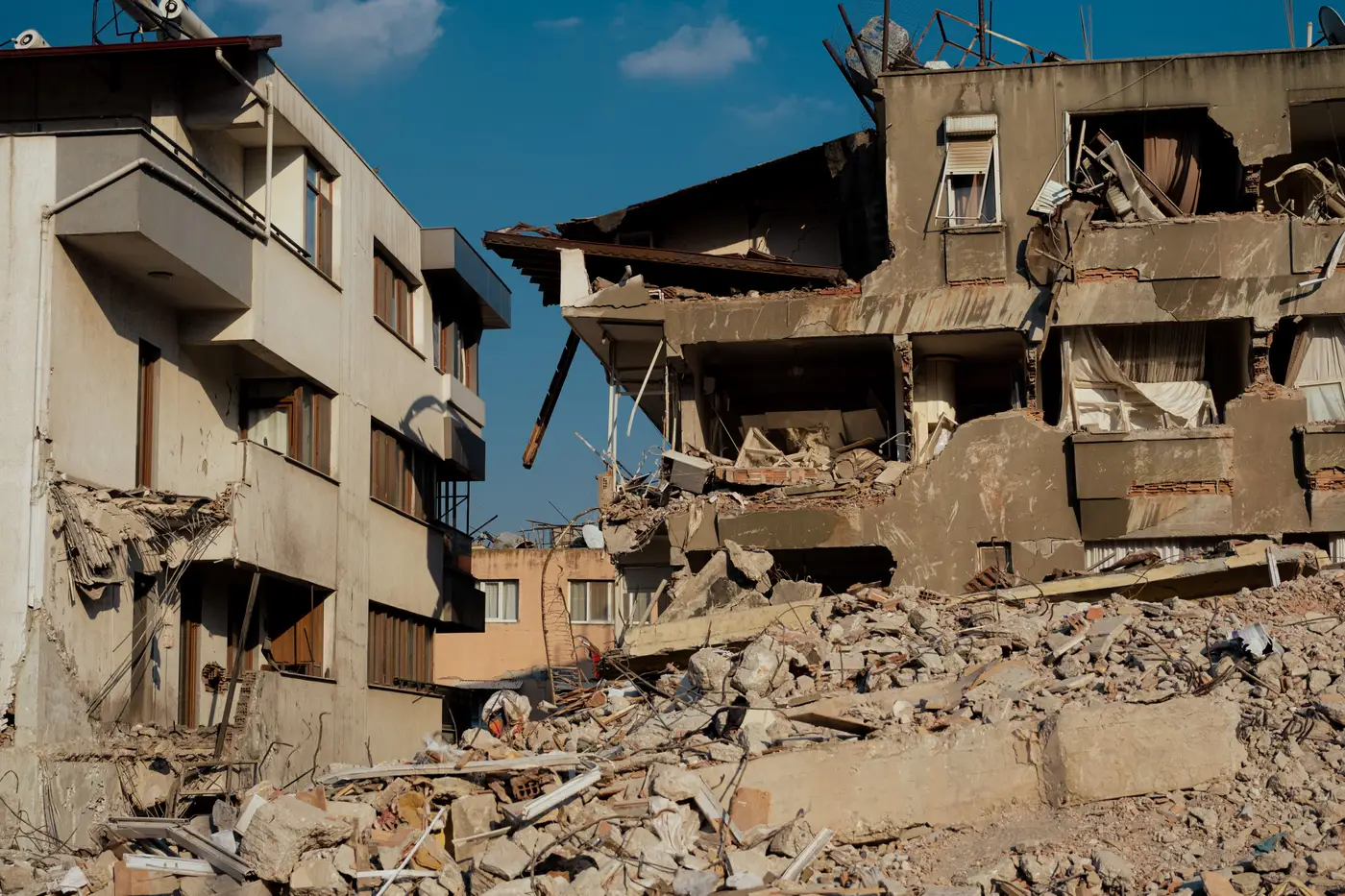
A rapid visual assessor walks a block two days after the shake. Facades are standing. Windows are intact on three sides. A few cracked chimneys, some spalled stucco, the usual. He tags most of the row green, a couple yellow for the cracked masonry, and moves on. Forty structures in an afternoon, which is about the pace you get when someone has to eyeball every building from the sidewalk.
Then the overhead pass comes back and half that row reads red.
This happens because the damage that matters most sits on the roof plane, not the wall facing the street. Soft-story collapse under a corner apartment building can leave the front elevation looking almost untouched while the rear half of the structure has dropped a full floor into the parking level below. A pancaked roof over a commercial unit can leave the parapet standing proud and square while everything under it has come down flat. From the sidewalk, standing where the sidewalk forces you to stand, you're looking at the one face of the building that construction code made strongest and most load-tolerant. The weak points are usually somewhere you can't see without getting on a roof or a ladder, and nobody's putting crews on ladders in the first 72 hours.
I've heard this called the "street-facade problem" by people who've done enough post-event windshield surveys to have a name for it, and it cuts both directions. Sometimes a building that looks rough from the ground, spalled concrete, a visible lean, a cracked lintel, turns out structurally sound once an engineer gets inside. Cosmetic damage reads scary at eye level. Real structural failure, the kind that drops a floor plate or shears a column, often doesn't announce itself to someone standing across the street. It announces itself in roofline displacement, footprint shift, and debris spill, all of which read clean from directly above and read as nothing at all from forty feet away at a bad angle.
The practical cost of this isn't abstract. A ground team working a grid pattern spends its morning on the row that looked bad and clears it by noon. Meanwhile the row that graded green on sight sits untouched for another day, because nobody flagged it for a second look. If there are people trapped under that pancaked roof, the gap between "looked fine" and "someone checks" is the gap that matters most in the whole operation.
An overhead, structure-by-structure read looks at the plane where the damage actually shows: roof deformation, footprint change, debris spill around the base, none of which requires eyes-on from a rooftop angle on day one. The engineer who eventually walks the interior still makes the call on habitability. This kind of read tells you, before anyone's boots are on that block, which buildings deserve that visit first and which ones can wait.
That row from the first paragraph is the whole argument in miniature: forty buildings, a handful flagged by eye, and a very different list once the roof lines got checked. If you're the one deciding where to send the first search team on the morning after, that's not a small difference. Building Damage Classification builds that structure-by-structure list straight from vertical imagery, dated to right after the event, so the triage order isn't set by which facade happened to be visible from the road.
If a block like that is sitting in your area of operations right now, it's worth getting that overhead read before the ground teams start their grid.