Field notes: the first damage grade map lands at four in the morning
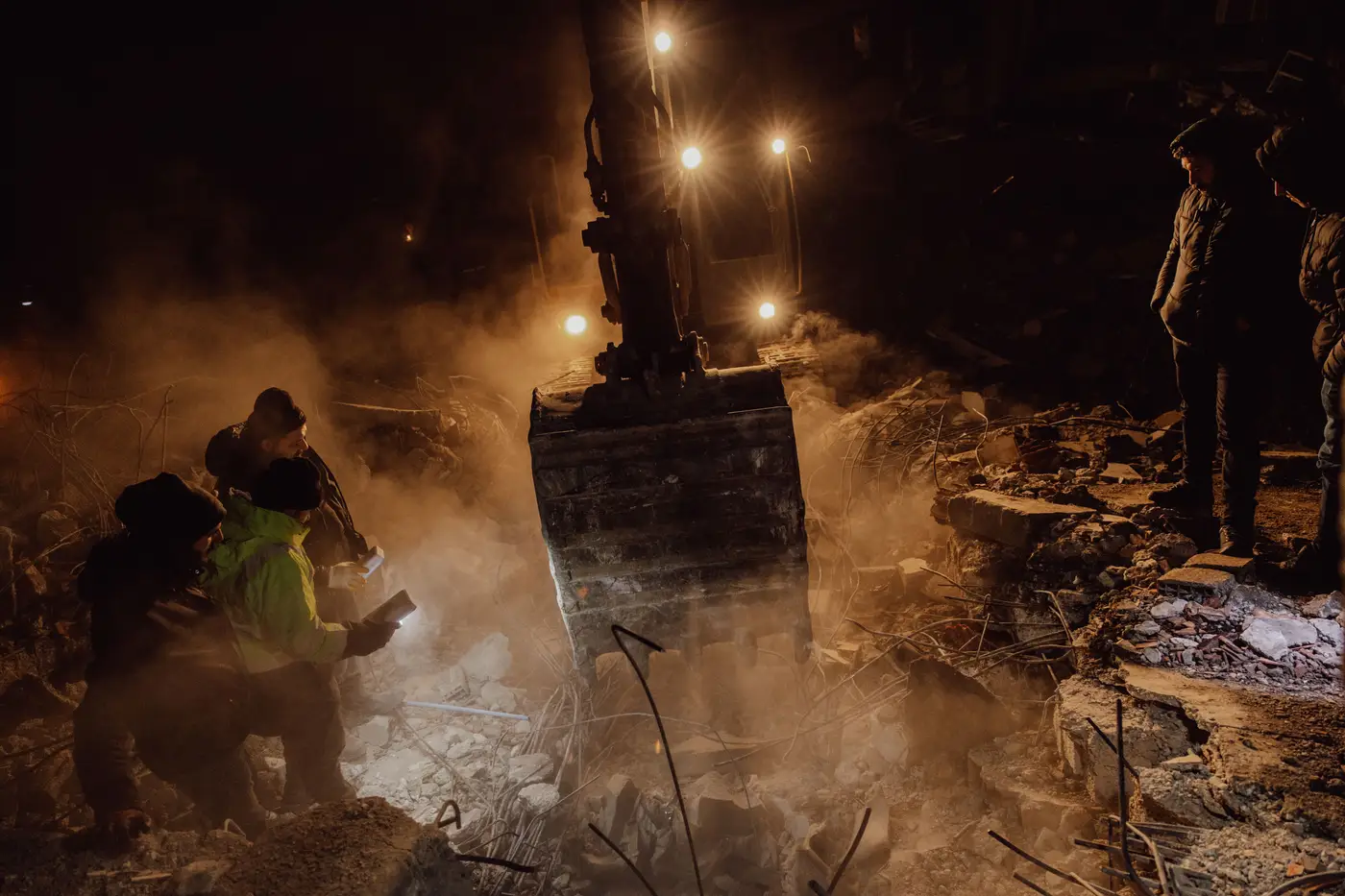
The watch floor at four in the morning has its own sound. Phones that rang constantly for the first six hours have gone quiet, not because the calls stopped but because everyone who could get through already has. The coffee's been sitting since midnight. And somewhere in the stack of open tabs, a new file lands: the first damage grade pass for the affected grid.
Nobody sleeps through that moment. You pull it up on the shared screen and the room shifts, even the people who were half-dozing in their chairs five minutes ago.
Before that file exists, the night runs on radio traffic and whatever the first responder teams can shout back between calls. One crew says a block is bad. Another says their sector looks fine from the street but they can't see the back half of a building. A caller says her apartment building "doesn't look right" and hangs up before anyone gets an address confirmed. You're triangulating from fragments, and every fragment is honest but none of them add up to a picture you can commit resources against.
Then the grid comes in: a read on individual buildings, structure by structure, graded. This one's a total loss. This one's standing but compromised. This one looks untouched from above. You start scanning for the collapse grades first, because those are the ones where someone might still be inside and time matters more than anything else on the board.
In that moment, what changes is where you point people. The first SAR team that was about to get sent to a street that "sounded bad" on the radio gets redirected two blocks over, to a cluster of grade-five collapses nobody had called in yet because the people who'd call are the people who can't. Shelter planning picks up a second site because the grid shows a whole row of residential structures flattened, and that's a different number of displaced people than the overnight estimate had.
The imagery is dated to the pass, which matters more than it sounds like it should. Everyone on the floor has learned the hard way that a verbal report from six hours ago is not the same as a verbal report from now. A grid with a timestamp on it lets you say, out loud, in front of the county liaison: this is what the structures looked like at 0247, here's what we're sending where, here's what we still don't know. That sentence is worth more at four in the morning than almost anything else you can put on a briefing slide.
It doesn't replace the ground teams. It never will, and nobody on this floor wants it to. It just means the first team into a sector isn't guessing which direction to walk when they get there. It means the second wave doesn't retrace the first wave's steps because nobody wrote down what got checked. And it means that when the sun comes up and the county exec asks for a number, you have a structure count instead of a shrug.
If your shift has ever spent the first six hours of an earthquake response working off radio chatter and hoping the picture holds together, a structure-by-structure damage read delivered right after the event is the thing that turns a guess into a tasking order. That's the gap Building Damage Classification is built to close.