Satellite damage grades vs. windshield survey after a quake
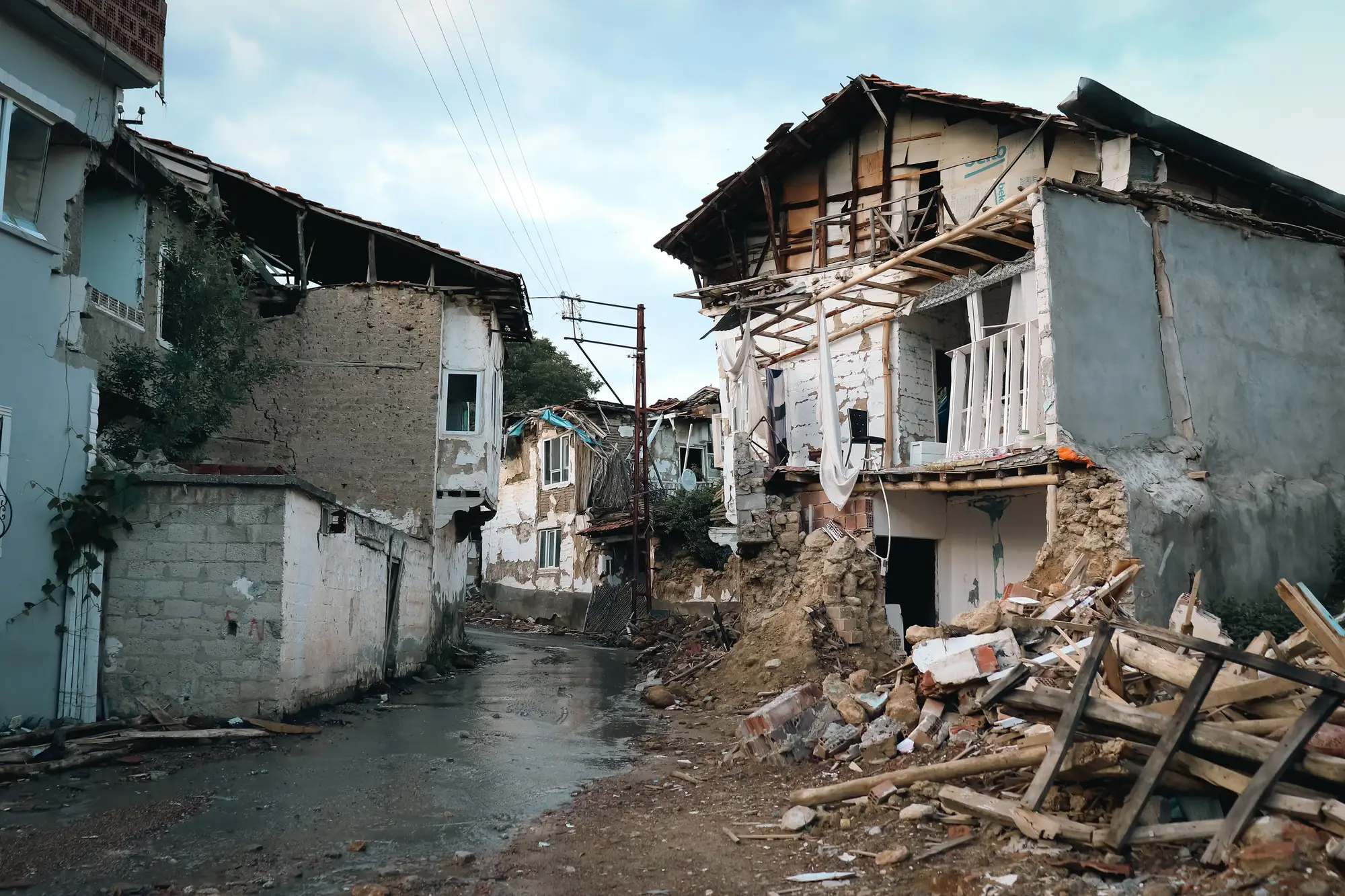
After a quake, the windshield survey is usually the first real data your EOC has. A team (or three) drives every passable street, eyeballs each structure, and calls it green, yellow, or red as they go. It's fast to start and it's what most jurisdictions train on. The trouble shows up in sequencing: streets open to traffic long before they open in damage order.
What a windshield survey actually gets you, and when
A windshield survey is a human judgment call made at 15 miles an hour, usually by whoever's available, often before daylight if the quake hit overnight. It's good at catching the things a camera from above can't: a door that won't latch, a smell of gas, a foundation crack you'd only see from the sidewalk. That's real information and nothing replaces it for final placarding.
But it has to happen street by street, and streets don't open in damage order. Your teams hit debris, downed lines, a bridge that needs its own inspection first. Two hours into a response, you might have solid reads on six blocks and zero on the twelve that took the worst shaking. You're triaging blind to the blocks you haven't reached yet, which is exactly backward from how you want to be spending the first operational period.
Where a structure-by-structure damage read fits in before the trucks roll
This is the gap a dated, per-structure damage read from vertical VHR imagery is built to fill. It sequences the windshield survey instead of standing in for it. Rather than sending crews out to cover ground in whatever order the road network allows, you're pointing them at the sectors where the imagery already shows collapse or heavy damage, and holding the lighter-damage blocks for later waves.
Practically, that means: the imagery comes in after the event, structures get graded individually rather than by block or census tract, and you get a list you can sort before a single windshield team leaves the staging area. A coordinator working a sector map can see which clusters of structures are reading red from above and route ground teams there first, instead of discovering it three hours into a drive-by.
It also catches the areas your windshield teams haven't gotten to yet and might not reach for hours, the ones behind debris fields or past the bridge that's still being checked. You get a read on those structures the same day, even if boots won't be on that block until tomorrow.
What it doesn't do
It won't tell you if a building's occupants are trapped. It won't give you an ATC-20 placard, that still has to be a trained inspector's call, made on the ground, with eyes on the structure. And it's imagery-based, so it reads roofs and footprints, not what's happening inside a stairwell. It tells you where to send the windshield teams first. The ground crews still make the placarding call.
The two methods aren't competing for the same job. One tells you where to look. The other tells you what's there once someone's standing in front of it.
A rough sequence that uses both
- Imagery comes in after the event, graded structure by structure across the affected area.
- Your EOC sorts the affected area by damage grade, not by road access.
- Windshield and SAR teams get sent to the worst-reading sectors first, with the imagery as the sequencing layer, not the final word.
- Ground crews do what only ground crews can: placard, check interiors, flag hazards the imagery never saw.
- As windshield coverage fills in, it either confirms or corrects the imagery read, and your sector map updates accordingly.
That's the whole point of running a structure-by-structure read ahead of a ground survey after a quake: it turns a few thousand unknown buildings into a ranked list before your first truck has even cleared the yard. If you're trying to get that kind of read stood up for your jurisdiction, Building Damage Classification is built around exactly this handoff between imagery and ground teams.
Get in touch if you want to talk through how a dated, per-structure damage read could slot into your next activation.